Irth Siti: Grandma’s Legacy
2023
On Palestinian winter remedies, generational wisdom, and the rituals of care.
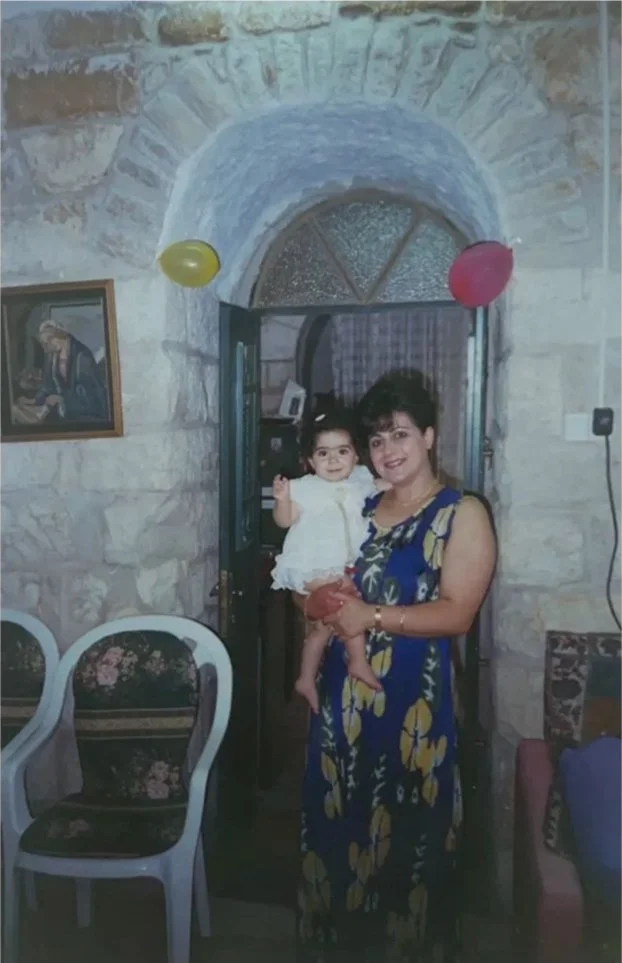
Growing up, healing was never simply a medical event, it was an act of love. When winter illnesses arrived, my mother would warm olive oil over the stove, soak large cotton sheets in it, wrap them around my chest, tuck me into bed, and whisper prayers over my head, hoping I would wake feeling better. These quiet rituals were never written down or formally taught. They were inherited through touch, repetition, and memory, passed from mothers to daughters, generation after generation.
Like many households across Palestine and the wider Arab world, our home relied on local ingredients: olive oil, herbs, steam, and prayer. Not as alternatives to medicine, but as everyday acts of comfort that existed alongside it. These remedies formed an intuitive language of care, connecting the body, the home, and the people within it.
As these traditions are passed on orally rather than through written records, they are increasingly at risk of disappearing. Younger generations living away from home often remember fragments of these practices without knowing how to prepare or safely perform them themselves.
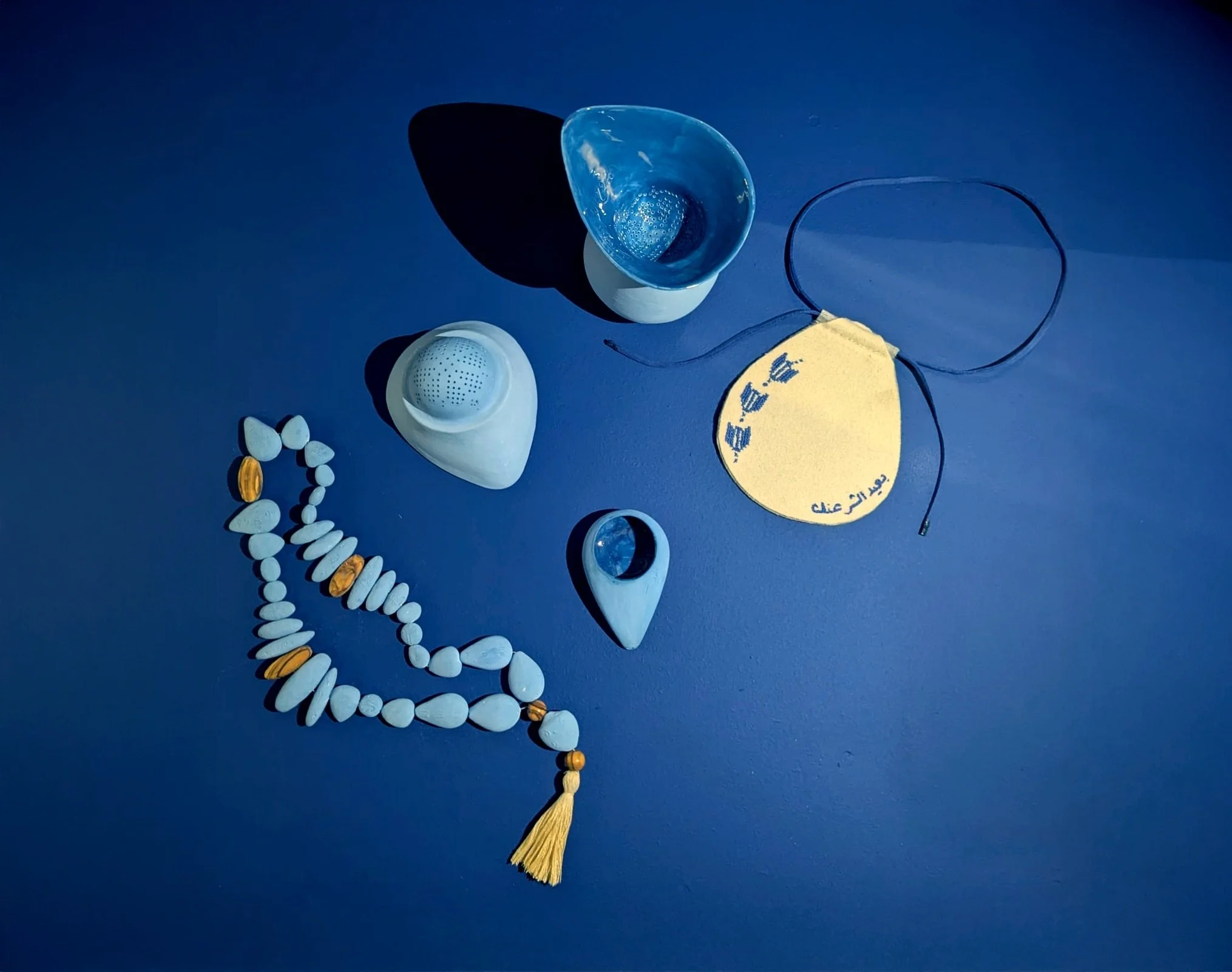
Irth Siti (Grandma's Legacy) is an exploration of how design can preserve this intangible heritage. Rather than treating tradition as something fixed behind glass, the project transforms ancestral knowledge into functional objects that invite these rituals back into everyday life. Each piece reinterprets a familiar remedy, allowing memories, language, and cultural practices to be carried forward through contemporary design.
Therapeutic Cup
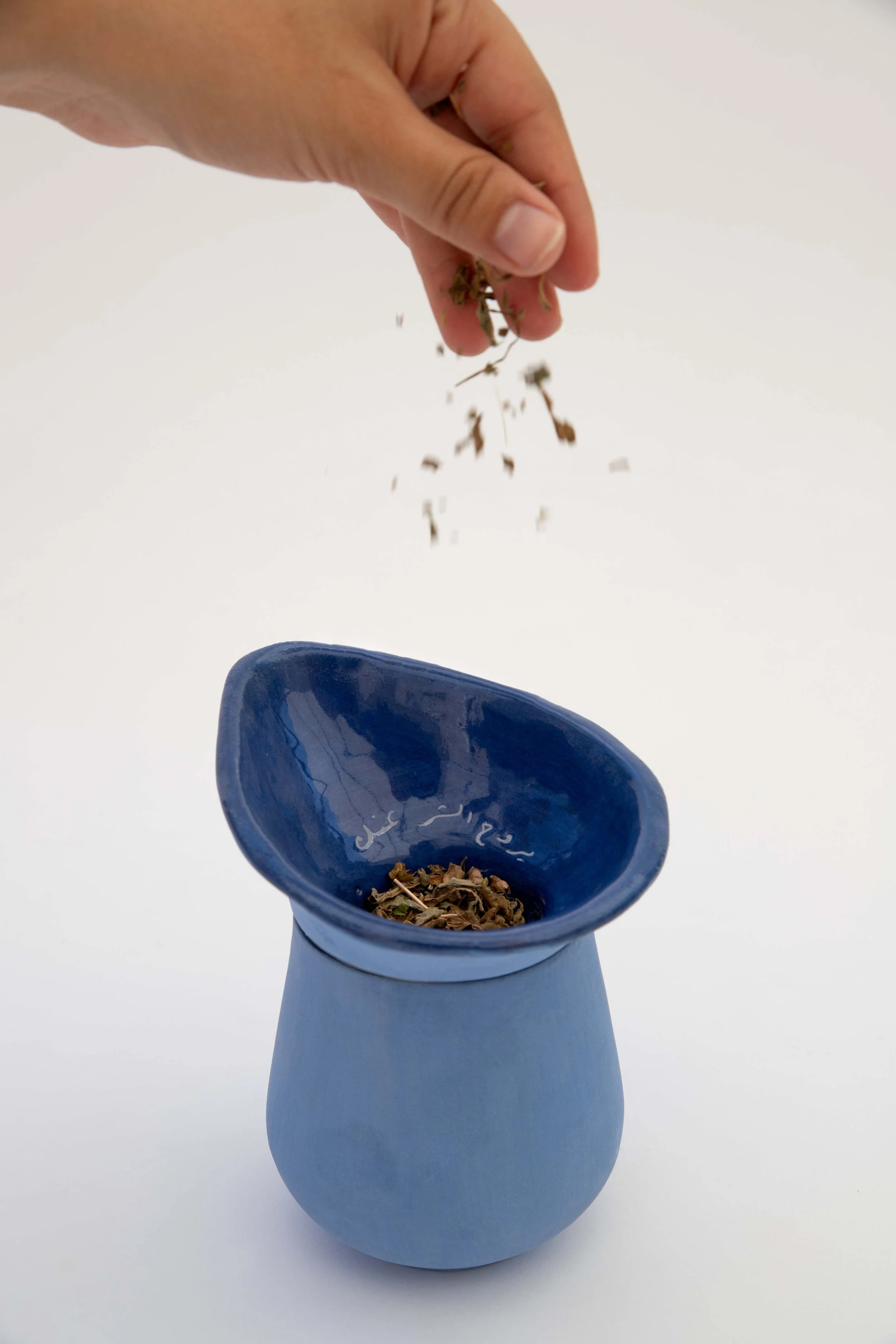
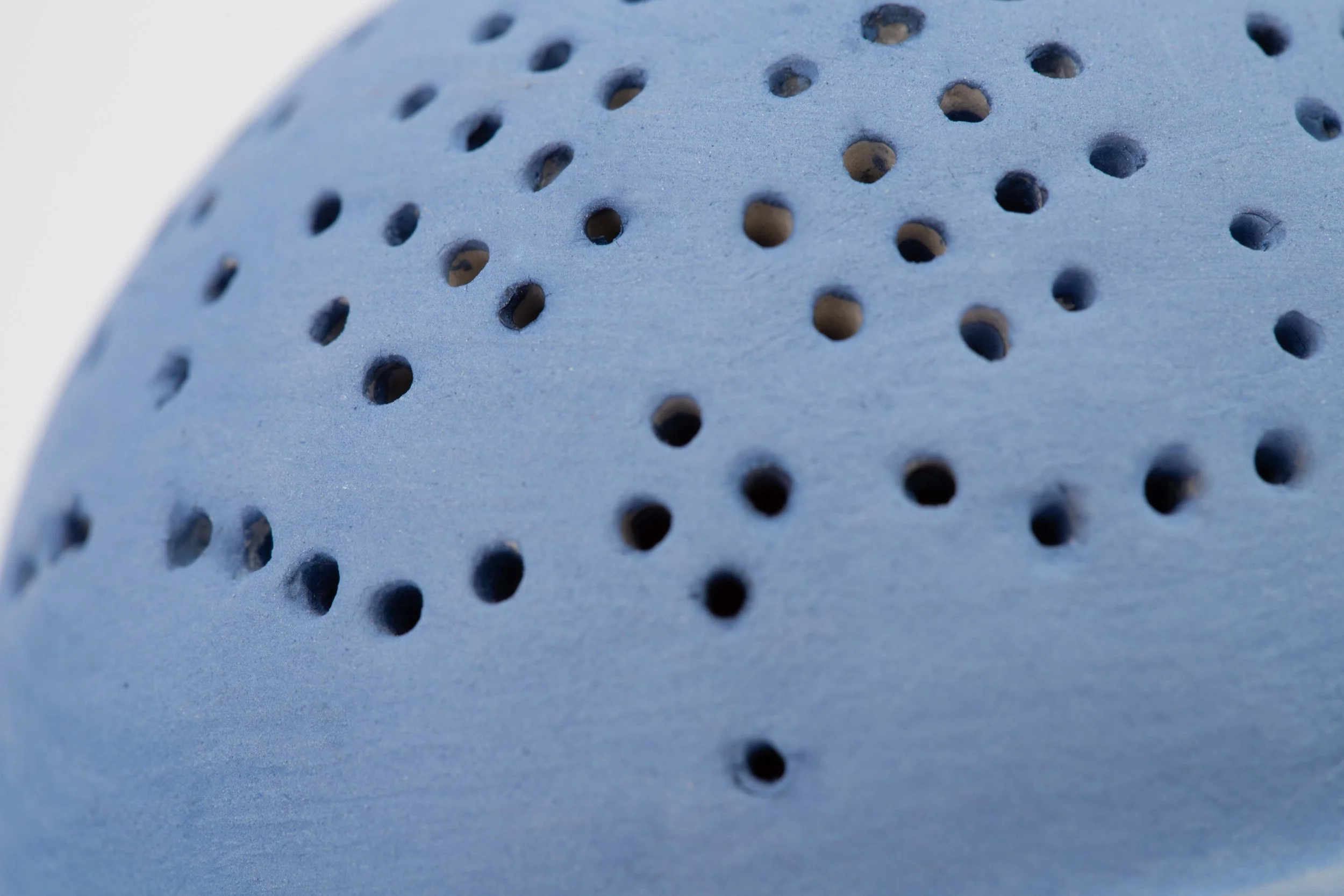
Steam inhalation and herbal infusions have long been central to Palestinian winter remedies. This ceramic vessel combines both rituals into a single object through a stackable strainer that directs herbal steam naturally towards the face while simultaneously brewing tea below. The perforations of the strainer form a traditional Palestinian tatreez floral motif, while the inner rim is engraved with the phrase Yrouh il shar 'annak ("May all harm leave you"), a blessing many mothers softly repeat while caring for an ill child.
The Liquid Dropper
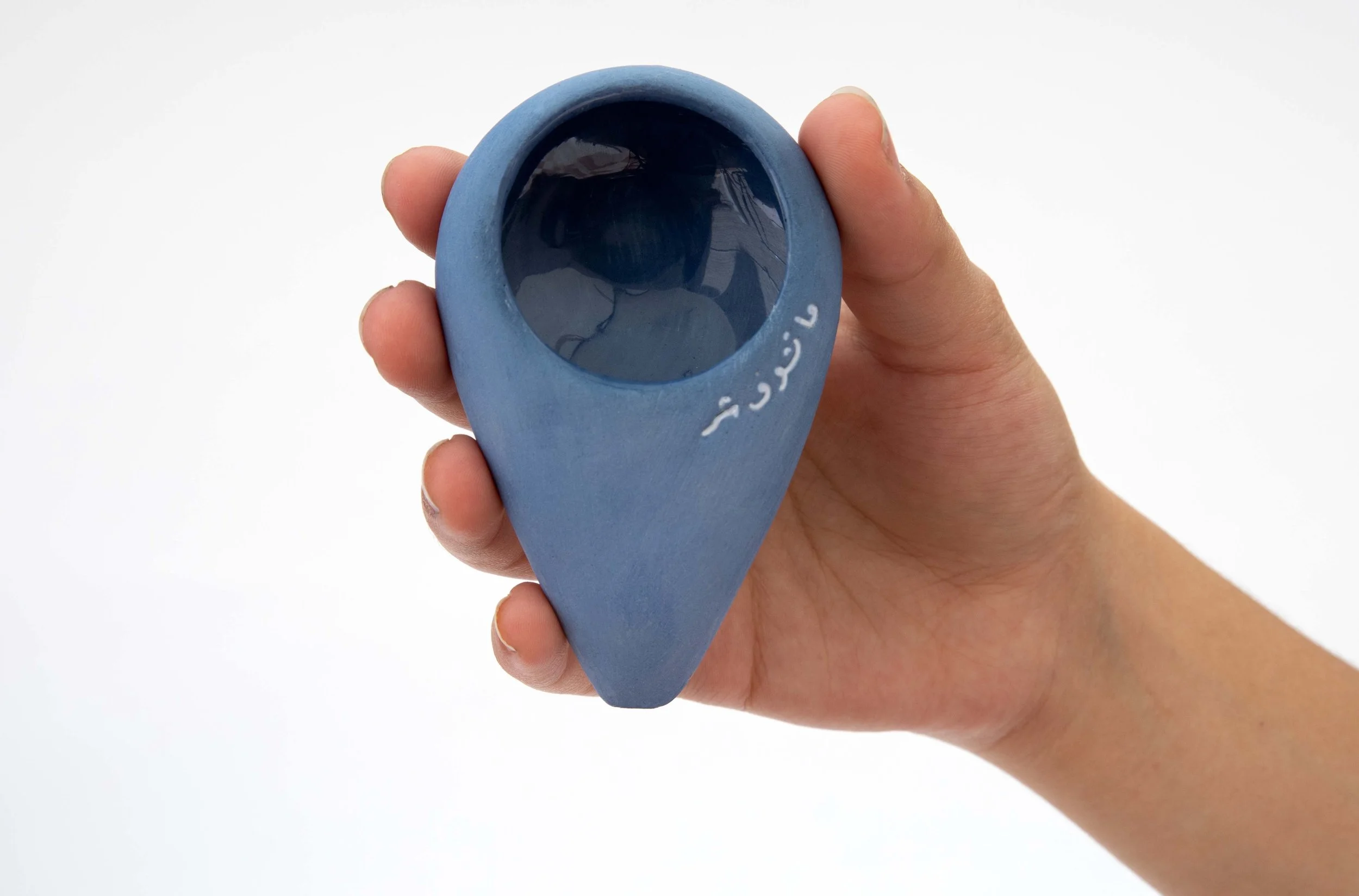
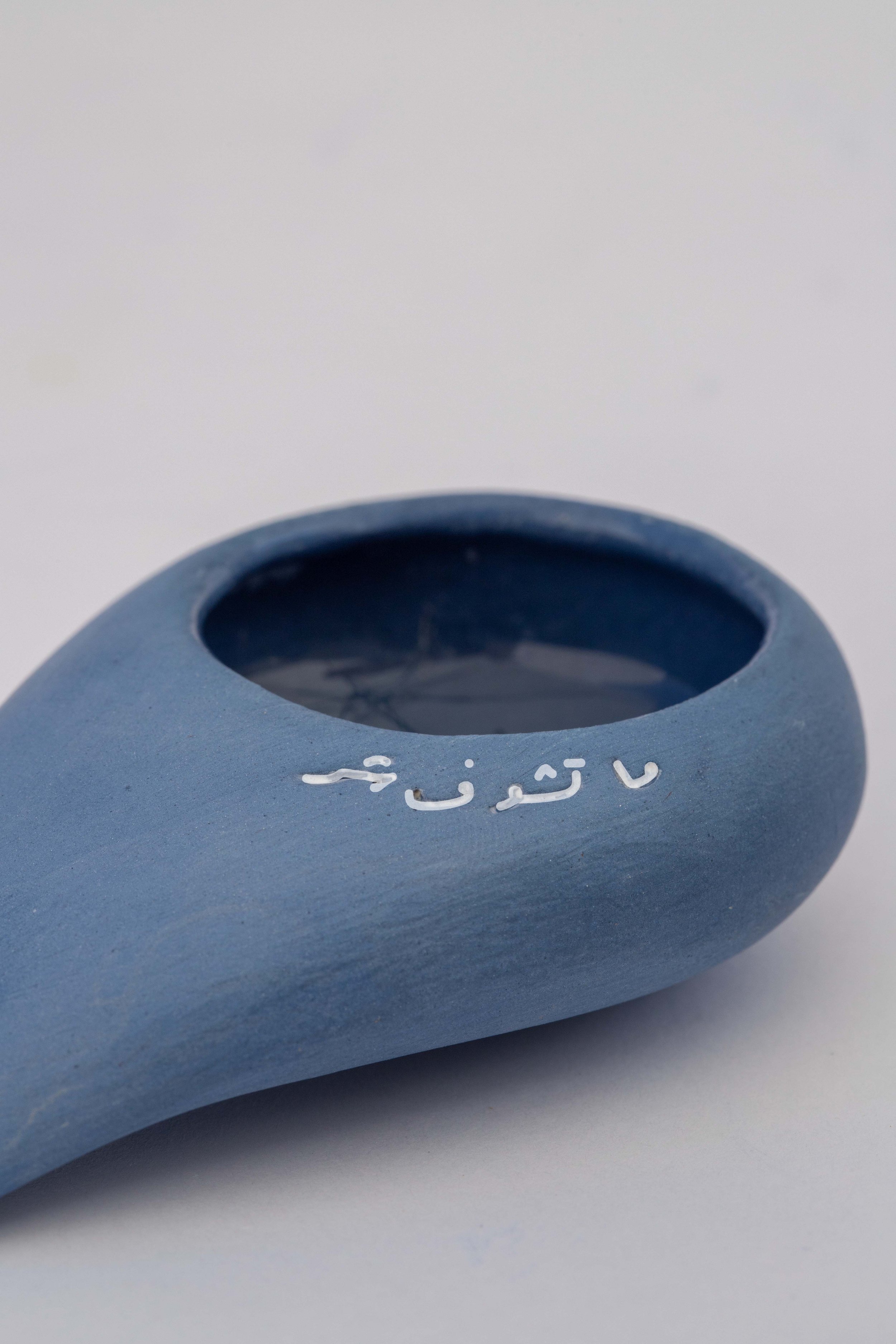
Inspired by the traditional practice of using warmed natural oils to soothe ear infections, this object reinterprets a delicate household remedy through a safer contemporary design. It simplifies the warming and dispensing of liquids while preserving the tenderness and intentionality that surrounded the original ritual.
The Chest Compress
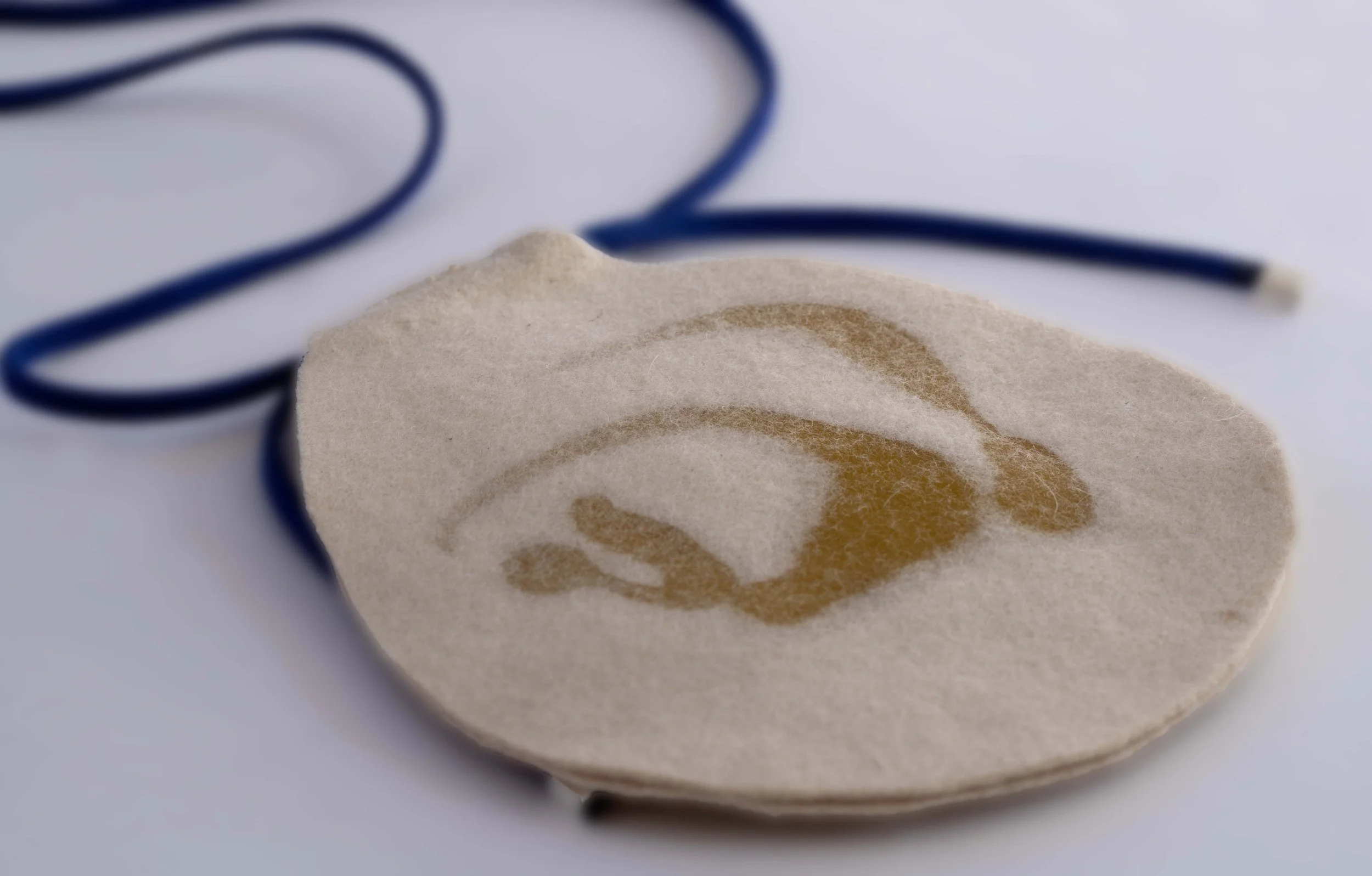
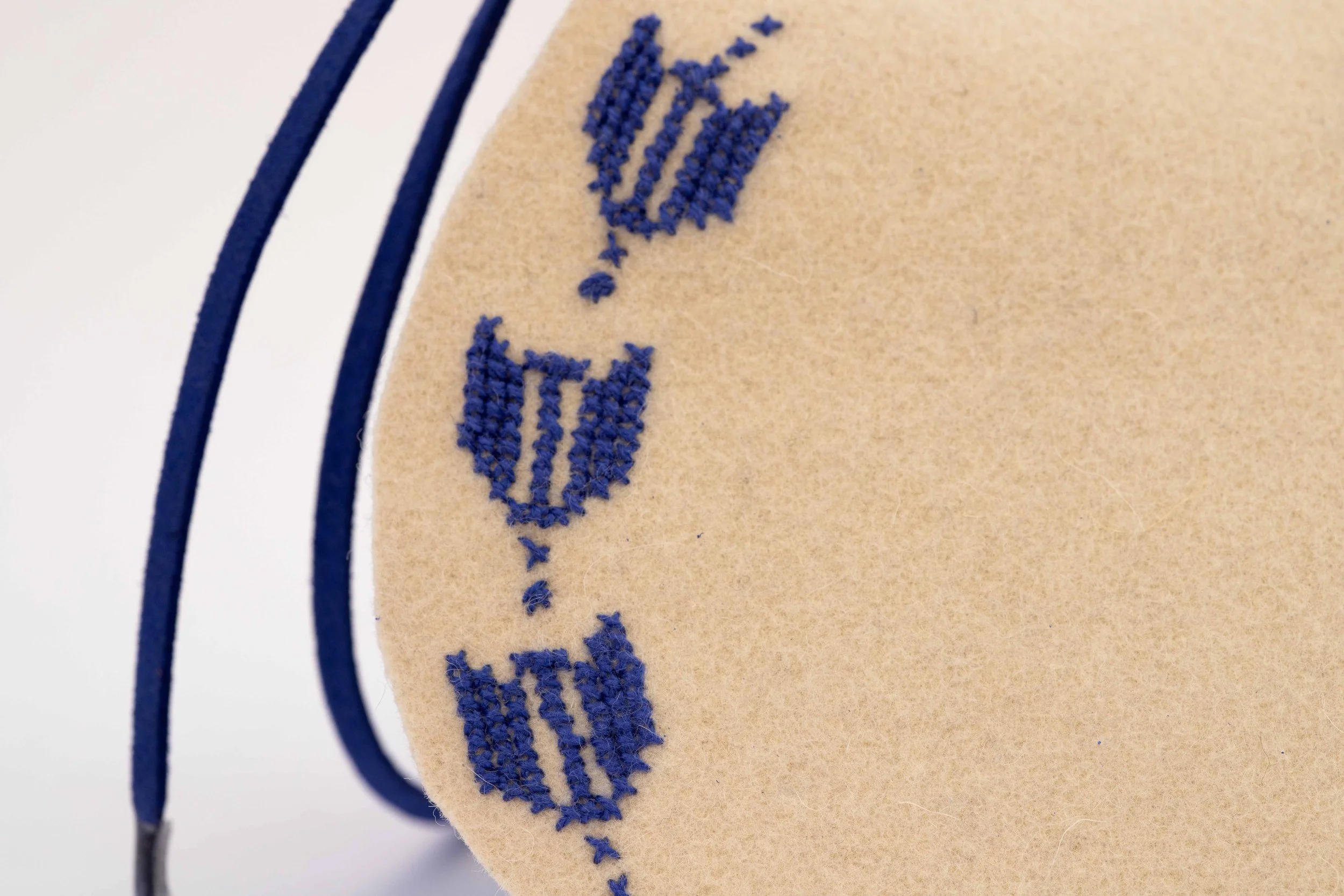
Inspired by the warm olive oil compresses my mother prepared during winter illnesses, this wearable piece reimagines a familiar household remedy. Crafted from natural wool and felt fibres that retain warmth while encouraging the gradual transfer of oil to the skin, the compress wraps gently around the chest and fastens like a necklace. Finished with hand-sewn embroidery, it transforms a childhood memory into an object of comfort, protection, and care.
The Masbaha (Prayer Beads)
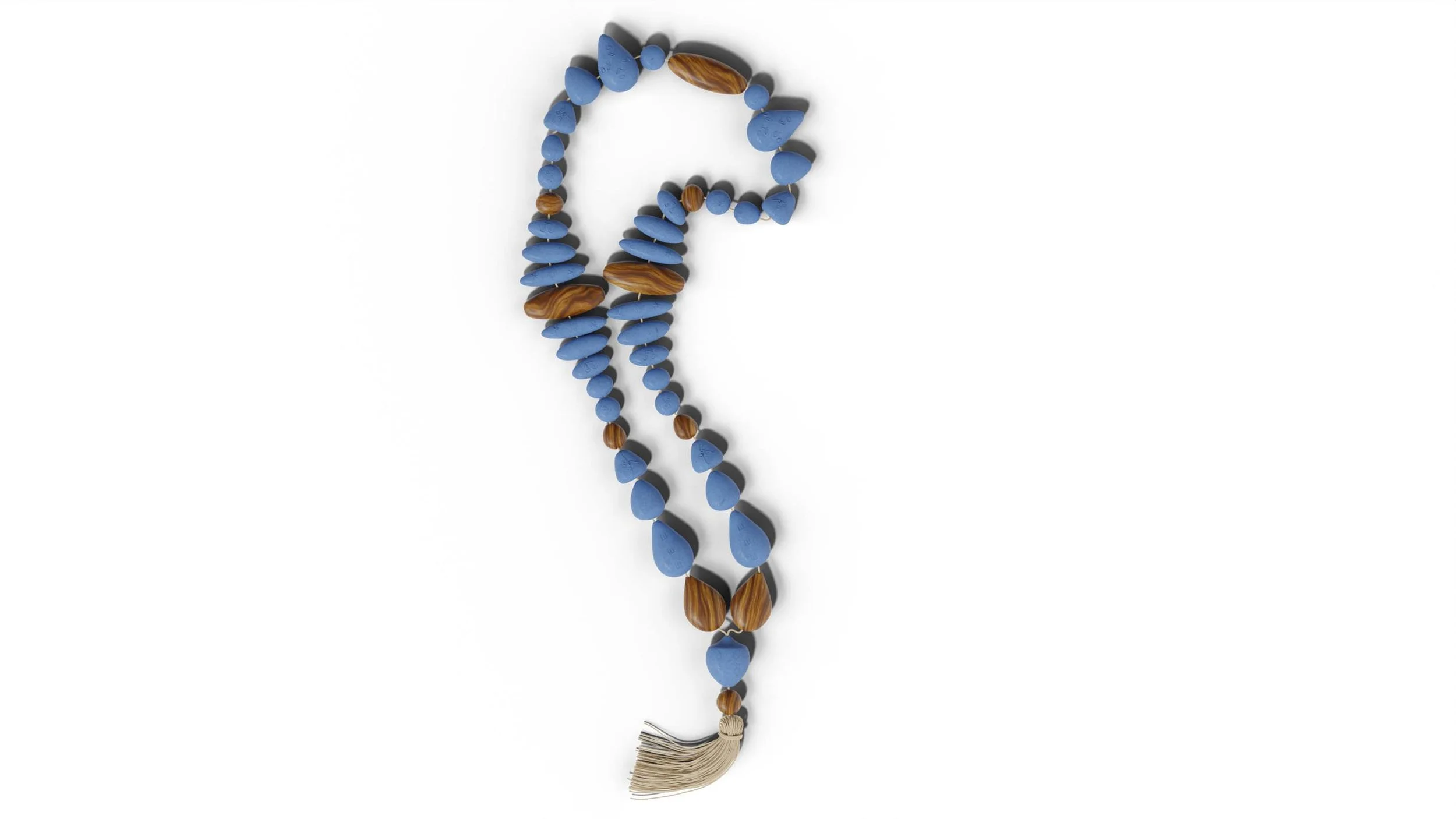
Healing within Palestinian culture extends beyond the physical. Prayer, spoken blessings, and moments of quiet reflection are often as significant as the remedies themselves. Every other bead is engraved with protective amulets drawn from the Tawfic Canaan collections, historically believed to ward off evil and illness. This addition links physical care to spiritual practice, reinforcing the objects as vessels of memory, protection, and living heritage.
Irth Siti is not an attempt to replace contemporary medicine, nor to romanticise the past. Instead, it recognises that traditional knowledge and modern healthcare have long coexisted within Palestinian homes, each offering different forms of care.
The collection was presented at the Institut du Monde Arabe Design Prize 2025, where I was selected as an Emerging Talent finalist, highlighting the relevance and recognition of this work in contemporary design discourse..